De Profundis
Out of the depths
Psalm 129 set as a single arc of supplication. The voice rises out of darkness toward the silence above it.
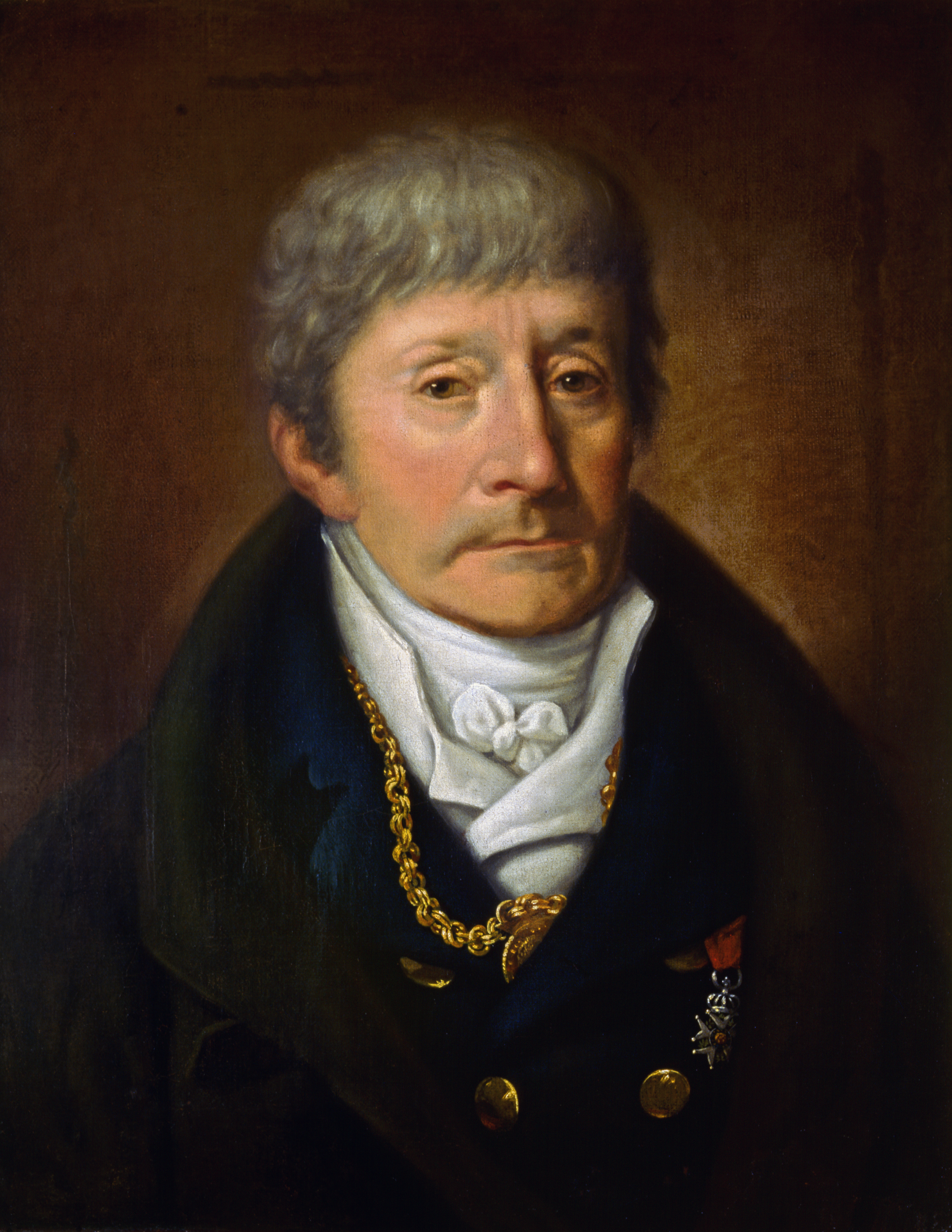
Imperial Kapellmeister of the Habsburg court. Salieri taught Beethoven, Schubert, and Liszt; wrote more than forty operas; and ended his life serving the same Viennese chapel for nearly half a century. The legend that he poisoned Mozart is a Romantic invention. The music he actually left is what you will hear here. From the depths of De Profundis to the C-minor Requiem he wrote for his own funeral, this is the work, in his own voice.
Psalm 129 set as a single arc of supplication. The voice rises out of darkness toward the silence above it.
The closing scene of his most successful opera. Vienna applauded this work more than Mozart's in its own day.
Three short, bright movements in the late-classical Italian manner. Salieri at his most direct.
A small concerto for an unusual ensemble. The oboe leads; the strings answer in chamber dialogue.
A short ceremonial flourish for the Viennese court. Brass, drums, and the air of a coronation.
A short serenade in lyrical mode. Vocal line as serenade; serenade as confidence.
The Virgin's song of joy set in his Viennese sacred manner. Voices and strings in unhurried praise.
A scene from Axur. The dramatic line that made Salieri the imperial Kapellmeister of his age.
A cantata on the Last Judgement. Solo voices, chorus, and orchestra setting the trumpet of Revelation.
A concerto in the Viennese classical mode. Soloist and orchestra in clear, balanced conversation.
A scene from his late-career opera on Kublai Khan. Italian opera meets Asiatic grandeur.
A storm at sea, in overture form. The orchestra as ocean; the ear as ship.
Overture to his Paris tragédie-lyrique on the Horatii. Classical subject, French Empire scale.
A movement from his organ concerto. Solo organ rising over the strings in long-breathed phrasing.
Overture to the comic opera that made his European reputation. Witty, fast-paced, classical.
The brilliant movement from the organ concerto. Soloist and orchestra at full energy.
Overture to a comic opera of enchanted transformation. Vienna, 1785.
Overture to a Singspiel on the historical siege of Naumburg. German-language opera in classical proportion.
His second piano concerto, in 432 Hz tuning. Bright, songful, classical in scale.
Overture to his German Singspiel. Vienna, 1781; Mozart himself heard the premiere.
A second reading of the Sinfonia veneziana, in 432 Hz tuning.
A second reading of the psalm setting, in 432 Hz tuning.
Overture to his Paris tragédie-lyrique, premiered at the Opéra in 1784 under his own direction.
A second reading of the Magnificat, in 432 Hz tuning.
Two complete readings of the Mass he wrote for his own funeral.
His own Requiem, written for his own funeral. He directed its first performance himself, then it was sung at his burial in 1825.
A second complete reading of the Requiem. The same passage from depth to light.