Nocturne
String Quartet No. 2 · arr. Hauser · 432 Hz
The most loved page he ever wrote. The third movement of his second quartet, here in 432 Hz tuning.
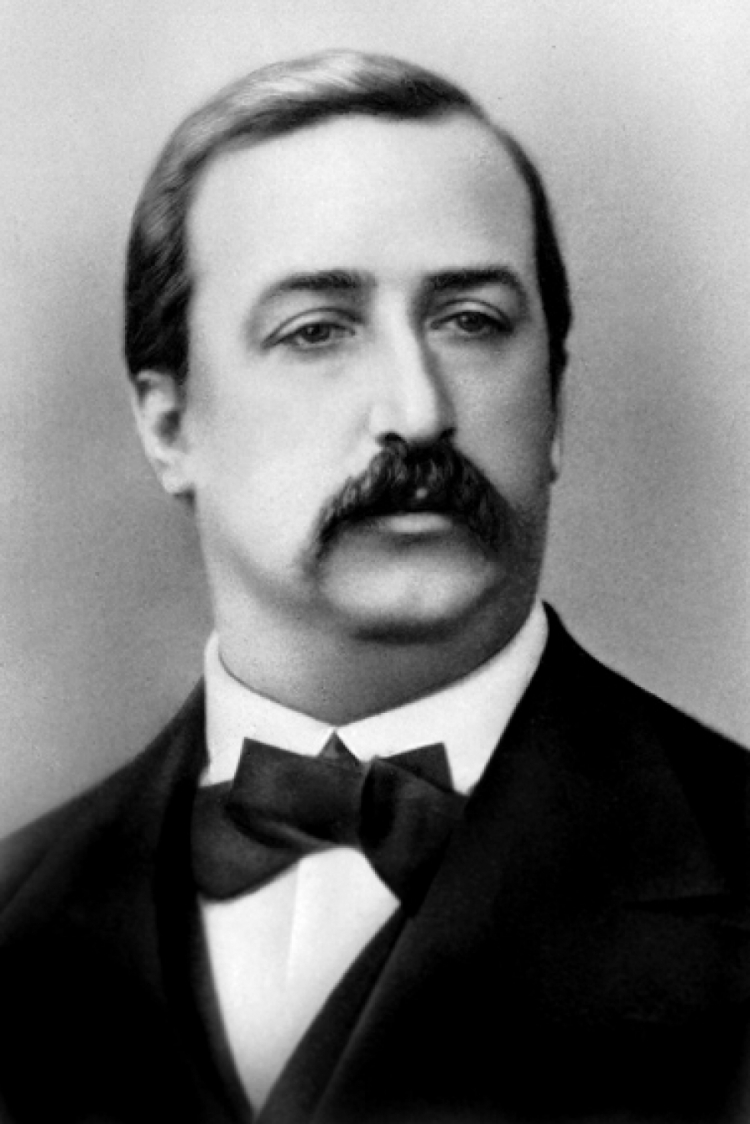
Chemist and composer. Borodin was a working scientist who wrote his music in the evenings and on holidays, a member of the Mighty Handful who built a Russian voice for the symphony and the opera. He left Prince Igor unfinished at his death; Rimsky-Korsakov and Glazunov completed it from his sketches. From the Polovtsian Dances to the long arc of the Second Symphony, the listener walks a Russia of steppe, prince, and song.
The most loved page he ever wrote. The third movement of his second quartet, here in 432 Hz tuning.
His "heroic" symphony. Russian epic material in four movements; Borodin's most fully realized symphony.
Two of his greatest orchestral pages in 432 Hz tuning. The desert caravan, and the dances of the Polovtsian camp.
The orchestral suite drawn from his music for the Broadway musical Kismet. Borodin's themes carried into a new century.
The Nocturne in its original chamber form. The Dover Quartet, in 432 Hz tuning.
The famous dance suite from Act II of Prince Igor. The captive prince watches the Polovtsian camp at celebration.
A short orchestral scherzo. Borodin in his most playful concert mode.
The complete opera, in four acts. Russia, captivity, and the long return.
The first act of his unfinished opera, completed after his death by Rimsky-Korsakov and Glazunov. The prince departs for war, and Russia is left in shadow.
The Polovtsian camp. The captive prince refuses freedom; the celebrated Polovtsian Dances close the act.
The Polovtsian Khan, the prince's escape, and the long return.
The return. Russia in mourning until the prince comes home, and the opera ends in chorus.